 NL
NL
The best dive destinations for beginners: a safe and inspiring start
Koh Tao, the Sinai Peninsula in Egypt and the Great Barrier Reef in Australia offer the most ideal conditions for your first diving experience. These locations combine crystal-clear water, shallow reefs and professional guidance. That is why they are the perfect choice as dive destinations for beginners. Read on and discover which place best matches your wishes for a comfortable and special start underwater.
How do you choose the right dive destination and certification?
Good preparation is the basis of a successful diving holiday. As a beginning diver, it is wise to obtain your PADI Open Water Diver certificate. This is the most widely recognised beginner course worldwide and takes an average of three to four days. During the course you learn the theory, practise in a swimming pool or shallow water and make four dives in open water. When choosing a destination, it is important to pay attention to a number of things. These make the learning process safer and more pleasant.
When planning your trip, pay attention to the following points:
- Calm and clear water: Good visibility and little current reduce stress and make it easier to master the techniques.
- Availability of PADI dive schools: Choose a location with a wide choice of reputable dive schools. This guarantees quality instruction and safety.
- Shallow dive sites: Beginner-friendly locations often have sheltered bays and reefs that slope down gradually, so you can get used to the depth at your own pace.
- Rich marine life: Colourful coral and a variety of fish provide an inspiring experience that motivates you to keep going.
Koh Tao, Thailand: the global hub for dive courses
Koh Tao, a small island in the Gulf of Thailand, is known as one of the best places in the world to learn to dive. The combination of low costs, experienced instructors and ideal diving conditions attracts thousands of beginners every year. The atmosphere is relaxed and entirely focused on diving.
Why is Koh Tao ideal for beginners?
The competition between the many dive schools on the island keeps the prices for a PADI Open Water course relatively low. The waters around Koh Tao are mostly calm and warm, with temperatures rarely dropping below 27 degrees Celsius. This makes practising skills comfortable. Many dive sites, such as Japanese Gardens and Mango Bay, are shallow and sheltered, perfect for your first dives.
What can you expect underwater?
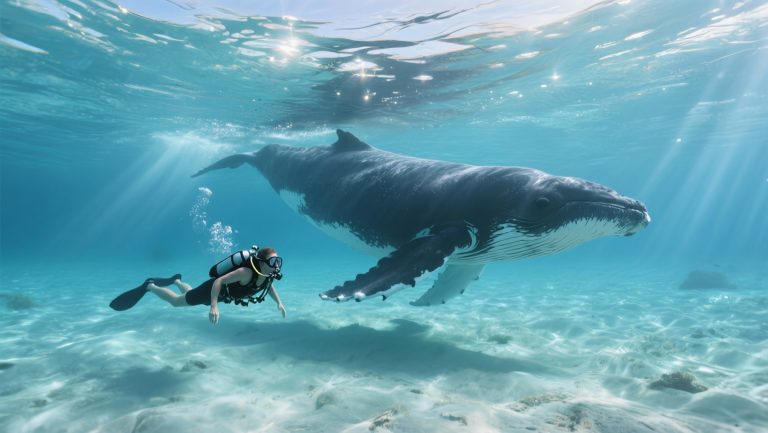
Despite being a popular destination, Koh Tao has diverse marine life. You can expect encounters with schools of barracuda, rays and various species of tropical fish. You will also regularly spot turtles here. Between March and May and from September to October, you even have the chance to see a whale shark, a unique experience for any diver.
Practical tips: certification and best time to travel
A PADI Open Water course on Koh Tao takes an average of four days. The best months to dive here are from February to October, when the sea is calmest and visibility is optimal. You can easily reach the island by ferry from the mainland or the nearby islands of Koh Samui and Koh Phangan.
Egypt (Sinai Peninsula): colourful reefs in the Red Sea
The Red Sea off the Sinai Peninsula, particularly around Sharm El-Sheikh, is a good choice for beginning divers looking for spectacular coral reefs and an abundance of marine life. The accessibility from Europe and the professional dive resorts make it a comfortable and reliable option.
Why is Sharm El-Sheikh suitable for beginners?
The diving conditions in the Red Sea are very good all year round, with water temperatures between 24 and 28 degrees Celsius and visibility often over 30 metres. Many reefs are accessible directly from the shore, so-called shore dives. This means you do not always need a boat, which lowers the threshold for a first dive. The resorts often have their own house reef where you can practise in peace.
What can you expect underwater?
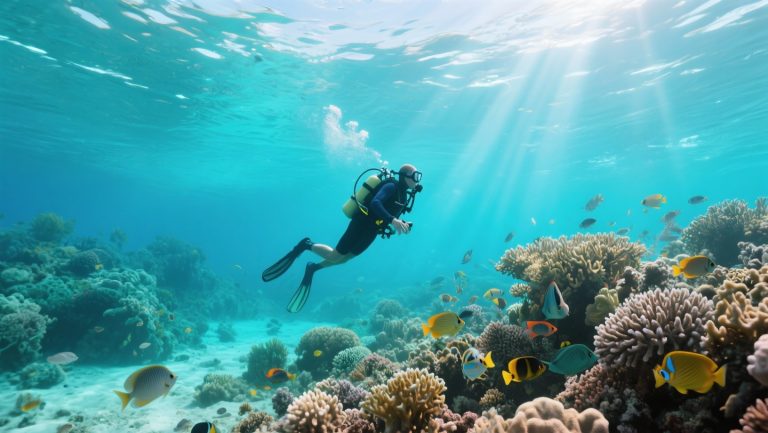
The Red Sea is known for its vibrant coral gardens and enormous biodiversity. Even in shallow areas, it teems with colourful fish such as butterflyfish, anemonefish and Picasso triggerfish. Ras Mohamed National Park, a protected nature reserve, offers world-famous dive sites with impressive coral walls and a great variety of marine life.
Practical tips: certification and best time to travel
PADI courses are available everywhere in Sharm El-Sheikh. The best time to dive here is in autumn (September–November) or spring (March–May), when air temperatures are pleasant and the wind is less strong. Sharm El-Sheikh has an international airport, which makes travel planning easy.
Great Barrier Reef, Australia: diving at an iconic location
The Great Barrier Reef is the largest coral reef system in the world and a dream destination for many. Some parts of the reef are suitable only for advanced divers, but there are countless locations that are perfect for beginners. In particular, the reefs you visit from Cairns and Port Douglas offer safe and special introductory dives.
Why is the Great Barrier Reef a good choice?
The dive operators in this region are highly professional and fully geared towards guiding inexperienced divers. They sail to specially selected, shallow and sheltered locations on the Outer Reef, where conditions are calm. The water temperature is pleasant all year round and visibility is clear.
What can you expect underwater?
Diving on the Great Barrier Reef is an impressive experience. You swim among enormous schools of fish, see giant turtles and may be lucky enough to see a reef shark or a majestic manta ray glide past. The variety of coral and the scale of the ecosystem are unlike anything else.
Practical tips: certification and best time to travel
You can book an introductory dive without a certificate, but completing your PADI Open Water course here will give you a more complete experience. The best time to visit the Great Barrier Reef is from August to December. During this period, the weather is stable and the water is clear. The trip is more expensive than travelling to Thailand or Egypt, but the experience is worth it.
On the Traveler Tips website you will find more articles to help you plan your trip. Discover our guides on putting together the perfect itinerary, practical packing tips and advice on choosing the right accommodation. This way, you will be well prepared for your next destination.
Frequently asked questions
Bonaire and Curaçao in the Caribbean offer excellent options for beginners with many shore dives and protected reefs, directly accessible via airports. Sharm El-Sheikh (Egypt) is a good choice with many dive schools and an international airport. Koh Tao (Thailand) is world-famous for PADI courses and can be reached via Koh Samui and a ferry. Lanzarote (Spain) is close to Europe and offers calm bays and introductory courses, within a four-hour flight from the Netherlands.
The main costs for a beginner diving course, such as the PADI Open Water Diver, range between €250 and €350, with Koh Tao and Sharm El-Sheikh as the cheapest options. In addition, you should take into account rental costs for diving equipment of €10–20 per dive, although having your own mask is more hygienic. A medical certificate is mandatory and a budget of €800–1500 per person is recommended for a 7-day trip including flight, dive package and hotel. Finally, it is crucial to have a medical statement and to avoid diving when you have a cold.
At beginner-friendly dive spots such as Bonaire, Sharm El-Sheikh, Koh Tao, Tulamben, Curaçao and Lanzarote, there are various extra activities to enjoy. Travellers can relax on beaches and go shopping (Curaçao, Koh Tao), explore Balinese culture and temples (Tulamben), follow yoga classes (Koh Tao), go hiking and enjoy wine tastings (Lanzarote), or take part in other non-diving activities with travel companions (Sharm El-Sheikh).
To choose a safe and comfortable dive school at an unfamiliar destination, it is essential to pay attention to certification, safety protocols and the experiences of other beginners. Opt for a PADI-certified school and ask about the mandatory medical certificate and rental equipment. Consider private instructors at busy locations and avoid dive destinations known for strong currents if you are a beginner.
For beginning divers, the tropics are suitable all year round, although the Red Sea has less wind in autumn. Destinations such as Bonaire and Sharm El-Sheikh offer excellent conditions with visibility of 20–30 metres and water temperatures between 24–29°C. Koh Tao in Thailand is also ideal, with clear water and visibility of more than 20 metres. Tulamben in Bali has a water temperature of 27–30°C and visibility of 15–25 metres, which makes it a good option.